


How to Protect Vegetable Crops from Heat: 45°C Summer Survival Guide for May 2026

The summer of 2026 is among the hottest recorded in India, with the India Meteorological Department (IMD) reporting temperatures crossing 45°C across North and Central regions as early as May.
According to ICAR (Indian Council of Agricultural Research), heat stress can reduce vegetable yields by 30% to 70%. Additionally, FAO studies suggest that every 1°C rise above optimal temperature can reduce crop productivity by 3–7%.
This makes it essential for farmers to adopt smart strategies to protect their crops.
At Iris Hybrid Seeds, the focus is not only on providing high-quality F1 hybrid seeds but also on helping farmers grow successfully even under extreme climate conditions.
Heat-Sensitive Crops That Need Protection in Summer
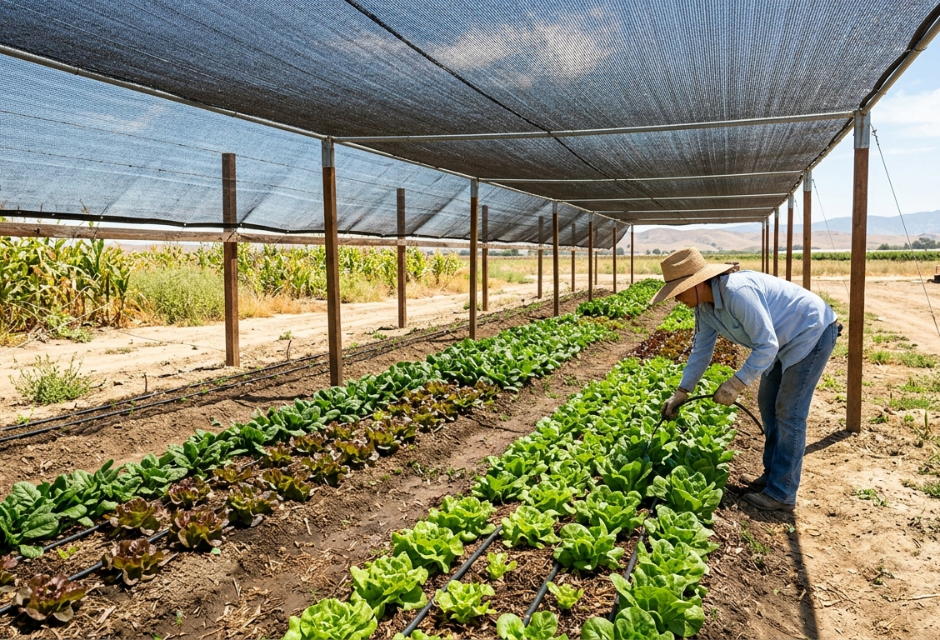
Vegetable crops react differently to extreme heat. Crops like tomato, chilli, cucumber, capsicum, and gourds are highly vulnerable when temperatures rise above 40°C.
These crops often face:
Flower drop
Poor fruit setting
Increased pest attacks
Reduced yield and quality
To explore suitable crop varieties and solutions.
Choosing the right hybrid for your crop is the first step toward reducing heat damage and ensuring stable production.
You Can Also Read : The "Pre-Monsoon" Crisis: Protecting Rabi Harvests from Shifting Climate Risks in India(2026)
Precision Irrigation: Timing Matters More Than Quantity
In extreme heat conditions, irrigation efficiency plays a critical role in crop survival.
Early Morning Irrigation (Before 8 AM)
ICAR studies show that early irrigation reduces water loss by up to 35–40% compared to midday watering.
Drip Irrigation System
According to FAO, drip irrigation improves water-use efficiency by 50–70% and increases yield by 20–30%.
Alternate Row Irrigation
This method can save up to 30% water while maintaining sufficient moisture for crops.
Mulching: Protecting Soil from Extreme Heat
Bare soil temperatures can exceed 50–55°C, damaging roots and reducing soil health.
Organic Mulch (Straw, Husk, Leaves)
Reduces soil temperature by 5°C to 7°C
Improves moisture retention by up to 70%
Enhances yield by up to 25%
White-on-Black Plastic Mulch
Reflective mulch helps keep the root zone cooler by 3–5°C compared to traditional methods.
Creating a Micro-Climate: Shade and Wind Protection

Hot winds, commonly known as “Loo,” accelerate moisture loss and damage crops.
Agro Shade Nets (35%–50%)
Reduce canopy temperature by 4–6°C
Improve crop survival and yield by up to 40%
Natural Windbreaks
Planting Sorghum or Dhaincha along field borders can reduce wind speed by 20–50%, protecting crops from heat stress.
Nutrient Management for Heat Resistance
Proper nutrient management strengthens plant tolerance against extreme temperatures.
Potassium Boost (1% KNO₃ Spray)
Improves water regulation, enhances heat resistance, and increases fruit quality.
Avoid Excess Nitrogen
Excessive use of urea during heatwaves leads to weak growth and can increase pest attacks by up to two times.
You Can Also Read : How Global Partnerships in Hybrid Seed Industry Are Transforming Indian Agriculture (2026 Guide)
Crop-Specific Considerations for Better Yield
Different crops require targeted care during extreme heat:
Tomato
Highly sensitive; temperatures above 38–40°C can cause flower drop and poor fruit setting.
Chilli
Heat stress reduces fruit size and increases pest issues like thrips and mites.
Cucumber
Requires consistent moisture; heat can affect fruit quality and taste.
Capsicum
Very sensitive to high temperatures, leading to reduced productivity.
Gourds
Relatively more tolerant but still affected by water stress and extreme heat.
For crop-wise hybrid seed solutions,
Quick Heatwave Action Checklist
Problem: Flower DropSolution
Use 0.1% Boric Acid spray to improve fruit setting
Problem: Leaf CurlingSolution
Monitor and control thrips and mites, which multiply rapidly in high temperatures
Problem: Soil CrackingSolution
Add organic matter or create a dust mulch to reduce evaporation
Why Choosing the Right Hybrid Seeds Matters

Seed selection is one of the most important decisions in summer farming.
Studies show that heat-tolerant hybrid seeds can improve yield stability by 25–40% under stress conditions.
F1 hybrid seeds offer:
Better heat tolerance
Strong disease resistance
Higher and more consistent yields
Explore high-performance hybrid seeds here.
You Can Also Read : How Climate Change Is Impacting Vegetable Seeds Production
Frequently Asked Questions (FAQs)
How does 45°C heat affect vegetable crops?
Extreme heat causes flower drop, poor pollination, leaf burn, and reduced yields.
Which crops are most affected by heatwaves?
Tomato, chilli, cucumber, capsicum, and leafy vegetables are highly sensitive.
What is the best irrigation method during summer?
Drip irrigation is the most efficient method for saving water and protecting crops.
How effective is mulching in summer?
Mulching can reduce soil temperature by up to 7°C and improve moisture retention significantly.
Where can I find heat-resistant crop varieties?
You can explore crop-wise hybrid seeds at


Comments