


Cold Chain and Post-Harvest Best Practices for Vegetables

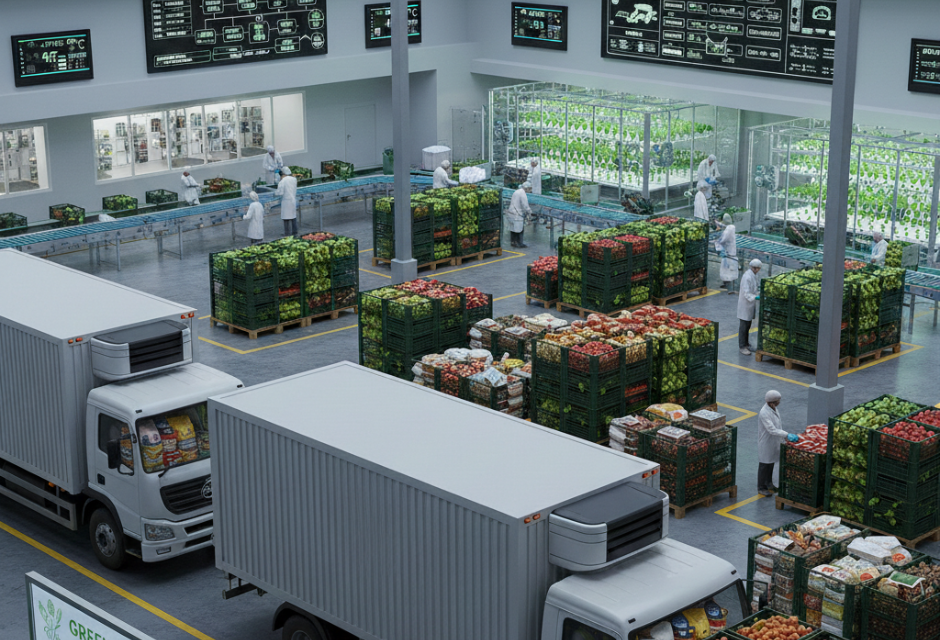
After harvesting vegetables, a large portion of the produce never reaches the market in good condition. Due to poor handling, high temperatures, lack of proper storage, and long-distance transportation without cooling, farmers in India lose nearly 20–30% of vegetables after harvest. This directly impacts farmers’ income and hard work.
By adopting proper post-harvest management and using the Cold Chain, farmers can keep vegetables fresh for longer, reduce spoilage, and sell their produce at better prices. This guide explains Cold Chain practices in simple, practical terms to help farmers benefit directly.
What Is Cold Chain?
Cold Chain means maintaining the right temperature for vegetables from the farm to the final market. It ensures that vegetables stay fresh and safe at every stage.
Cold Chain includes:
Cooling vegetables immediately after harvest
Storing them in cold storage
Transporting them in refrigerated vehicles
Maintaining freshness until they reach mandis, retailers, or consumers
Maintaining the right temperature slows down spoilage, preserves quality, and increases shelf life.
You Can Read Also : Agriculture Meets Technology: Impact of Namo Drone Didi Scheme on Modern Farming in India
Why Cold Chain Is Important for Farmers

1. Reduces Post-Harvest Wastage
Using the Cold Chain minimizes rotting, wilting, and weight loss during storage and transportation.
2. Extends Shelf Life
Vegetables like tomato, capsicum, peas, cabbage, and leafy greens can stay fresh 2–4 times longer under proper Cold Chain conditions.
3. Better Market Prices
Fresh, high-quality vegetables attract better buyers and allow farmers to sell in distant or premium markets.
4. Maintains Quality and Nutrition
Cold Chain storage helps preserve color, taste, texture, and nutrients, making vegetables more appealing to consumers.
Best Post-Harvest Practices for Vegetables

1. Harvest at the Right Time
Harvest vegetables at proper maturity
Avoid harvesting overripe or immature produce
Prefer early morning or late evening harvesting to reduce heat stress
2. Handle Produce Carefully
Use clean and sharp tools
Avoid throwing or stepping on vegetables
Keep harvested produce in shade
Careful handling prevents physical damage that leads to faster spoilage.
3. Pre-Cooling – Removing Field Heat
Pre-cooling is one of the most important steps in the Cold Chain. Removing field heat immediately after harvest can reduce spoilage by 30–50%.
Common pre-cooling methods:
Hydro-cooling: Leafy vegetables, carrots
Forced air cooling: Tomato, capsicum
Vacuum cooling: Lettuce and leafy greens
4. Sorting and Grading
Remove damaged, diseased, or spoiled vegetables
Sort vegetables by size and quality
Good grading builds buyer trust and improves prices
5. Proper Packaging
Use plastic crates instead of gunny bags
Avoid overfilling containers
Use ventilated cartons for better airflow
Proper packaging protects vegetables from mechanical damage and moisture loss during transport.
Cold Storage Guidelines for Common Vegetables
Vegetable | Temperature | Humidity |
Leafy vegetables | 0–2°C | 95–98% |
Tomato | 10–13°C | 85–90% |
Capsicum | 7–10°C | 90–95% |
Cucumber | 7–10°C | 90–95% |
Onion (dry) | 0–2°C | 65–70% |
Important: Vegetables like brinjal, okra, and gourds should not be stored at very low temperatures, as they are sensitive to chilling injury.
You Can Read Also : Urban & Home Gardening with Hybrid Seeds: Growing Fresh Food in Small Spaces
Cold Chain Transportation Tips
Use refrigerated vehicles whenever possible
Do not mix ripe fruits (like bananas) with vegetables
Avoid breaking the Cold Chain during loading and unloading
Even short exposure to heat can reduce vegetable quality and shelf life.
Role of New Technology in Cold Chain
Modern Cold Chain solutions helping farmers include:
Solar-powered cold storage units
Pack houses with washing, grading, and packing facilities
Temperature sensors and mobile-based monitoring
Government-supported Cold Chain and subsidy schemes
These technologies allow farmers to store produce near the farm and sell when market prices are favorable.
Conclusion
Adopting proper post-harvest practices and investing in the Cold Chain can significantly reduce vegetable losses, maintain quality, and increase farmers’ income. Simple steps like timely harvesting, pre-cooling, careful handling, proper storage, and temperature-controlled transport make a big difference.
The Cold Chain is not an extra expense—it is a smart investment that protects farmers’ hard-earned produce and improves long-term profitability.
Frequently Asked Questions (FAQs)
1. What is Cold Chain in agriculture?
Cold Chain is a temperature-controlled system that keeps vegetables cool from harvesting to market, reducing spoilage and maintaining quality.
2. How does Cold Chain help farmers increase income?
By reducing post-harvest losses and improving quality, farmers can sell vegetables at better prices and access distant markets.
3. Is Cold Chain useful for small farmers?
Yes. Small farmers can use shared cold storage, solar cold rooms, or government-supported Cold Chain facilities to reduce losses.
4. Which vegetables benefit most from Cold Chain?
Leafy vegetables, tomatoes, capsicum, peas, cabbage, cucumbers, and carrots benefit greatly from Cold Chain storage.
5. Are there government schemes for Cold Chain in India?
Yes, the government offers subsidies and schemes for cold storage, pack houses, and Cold Chain infrastructure to support farmers.


Comments