


Profitable Summer Vegetable Farming in India: A Practical Guide to Smart Crop Selection & Higher Income


Summer farming in India is both an opportunity and a challenge.
As temperatures rise, so does the demand for fresh vegetables such as:
Bhindi (Okra)
Lauki (Bottle Gourd)
Karela (Bitter Gourd)
Turai (Ridge Gourd)
Kheera (Cucumber)
Urban consumption increases, mandi prices improve, and short-duration crops allow faster cash flow.
However, summer also brings serious risks:
Heat stress affecting flowering
Viral diseases in Bhindi
Fruit fly attacks in gourds
Uneven fruit development
Water stress
Traditional crop planning often struggles under these conditions.
Today, successful farmers are moving towards hybrid-based summer vegetable cultivation to:
Improve yield stability
Reduce crop loss
Achieve uniform produce
Get better market prices
Smart farming is no longer about growing more — it’s about growing right.
You Can Read Also : Urban & Home Gardening with Hybrid Seeds: Growing Fresh Food in Small Spaces
Why Hybrid Vegetable Planning Matters in Summer

Summer crops face intense environmental pressure.
Hybrid vegetable varieties are developed to handle:
High temperatures
Pest load
Disease outbreaks
Irregular irrigation
Compared to conventional seeds, hybrids help farmers achieve:
Key Benefits of Hybrid Vegetable Seeds
Better Yield Consistency
Even in hot conditions.
Disease Tolerance
Especially important for:
YVMV in Bhindi
Powdery mildew in gourds
Downy mildew in cucumber
Uniform Produce
Uniform size and shape improve mandi value.
Early Harvest
Enables faster income generation.
Hybrid planning is not just a farming decision — it is an income strategy.
Region-Wise Profitable Summer Crops in India
Different crops perform differently based on regional climate and market demand.
Okra (Bhindi)
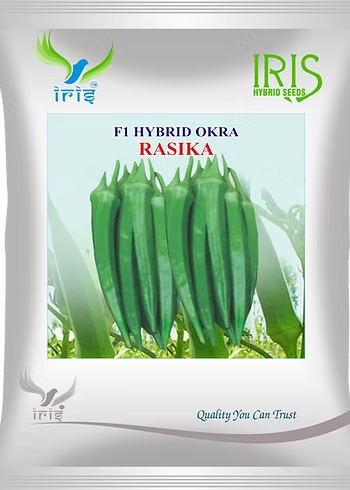
Best Suited For
Haryana
Punjab
Gujarat
Telangana
Why It’s Profitable
Multiple picking cycles
Quick harvest
Continuous income
Common Challenges
Yellow Vein Mosaic Virus
Heat stress during flowering
Poor pod uniformity
How Hybrid Bhindi Improves Performance
Better virus tolerance
Consistent pod quality
Higher picking frequency
Bottle Gourd (Lauki)

Highly Suitable For
Uttar Pradesh
Rajasthan
Madhya Pradesh
Delhi NCR
Profit Drivers
Strong summer demand
Long harvesting duration
Good transport life
Farmer Challenges
Fruit fly damage
Shape inconsistency
Yield drop in heat
Hybrid Lauki Benefits
Fruit uniformity
Yield stability
Heat tolerance
Bitter Gourd (Karela)

Ideal For
Bihar
Uttar Pradesh
Maharashtra
Why It Works
Rising health demand
Strong summer consumption
Good mandi pricing
Ridge Gourd (Turai)

Performs Well In
Karnataka
Andhra Pradesh
Maharashtra
Stable regional demand keeps pricing steady.
Cucumber (Kheera)

Profitable In
Maharashtra
Karnataka
Telangana
Demand Comes From
Hotels
Juice vendors
Retail markets
Cluster Bean (Guar)
Best Suited For
Rajasthan
Gujarat
Benefits
Performs in dry conditions
Requires less irrigation
Smart Crop Combination Strategy
Farmers can stabilize income by combining different crop cycles.
Fast Return Crops
Okra
Cucumber
Stable Harvest Crops
Lauki
Bitter gourd
This ensures:
Regular cash flow
Seasonal profit balance
Practical Summer Farming Tips
Farmers can improve success by adopting the following methods:
Soil & Bed Management
Using raised beds
Applying mulching
Water Management
Installing drip irrigation
Maintaining regular moisture levels
Crop Protection
Monitoring pests early
Using balanced nutrients
You Can Read Also : Cold Chain and Post-Harvest Best Practices for Vegetables
Government Schemes Supporting Vegetable Farmers in India
Farmers can reduce cultivation costs through various schemes.
PM-Kisan
Benefit:
₹6000 annual income support
PMKSY (Pradhan Mantri Krishi Sinchayee Yojana)
Benefit:
Subsidy on drip irrigation
National Horticulture Mission
Benefit:
Support for hybrid vegetable cultivation
Kisan Credit Card
Benefit:
Easy crop loans
Soil Health Card
Benefit:
Improves fertilizer planning
Using these schemes allows better investment in quality inputs.
About IRIS Seeds
For farmers looking to improve summer crop performance, choosing reliable hybrid seed sources becomes essential.
IRIS Seeds works in India’s vegetable hybrid segment.
Their Focus Areas
Climate-Suitable Hybrids
Developed for Indian growing conditions.
Consistent Germination
Better crop establishment.
Improved Productivity
Higher yield potential.
Enhanced Produce Quality
Better market value.
You Can Read Also : Hybrid Seeds for Summer Stress Conditions in India
Improve Summer Crop Performance with the Right Hybrid Selection
Summer success depends on:
Crop choice
Irrigation planning
Pest monitoring
Suitable hybrid selection
Choosing the right hybrid can help:
Improve yield
Reduce disease risk
Enhance market value
FAQs: Summer Hybrid Vegetable Farming & Choosing the Right Seed Partner
1. Why do summer vegetable crops often fail despite proper farming practices?
Key Reasons:
Extreme temperatures
Viral infections
Pest pressure
Irregular irrigation
Traditional varieties may struggle under these stress conditions.
Hybrid vegetable varieties are developed to handle such environmental challenges, improving crop stability and yield consistency.
2. How does hybrid Bhindi help farmers during summer?
Major Risks in Bhindi:
Yellow Vein Mosaic Virus (YVMV)
Heat-induced flower drop
White fly infestation
Hybrid Advantages:
Improved plant vigor
Increased tolerance to viral stress
Uniform pods
Multiple harvest cycles
3. Why is Bottle Gourd (Lauki) considered a stable summer income crop?
Income Benefits:
Long harvesting duration
Strong summer demand
Good transport shelf life
Hybrid Support:
Better fruit formation
Consistent quality
Improved yield in warm conditions
4. What role does seed quality play in farmer profitability?
Seed quality directly affects:
Germination rate
Plant strength
Disease tolerance
Fruit quality
Poor seed selection can lead to uneven growth and lower mandi pricing.
5. How does IRIS Seeds support vegetable farmers?
Through:
Crop adaptability
Consistent performance
Improved productivity
Suitability for Indian climates
6. Are hybrid vegetable crops suitable for small land farmers?
Yes.
Hybrid crops help small farmers by:
Increasing output per acre
Enabling faster harvest cycles
Improving market quality
7. How do government schemes support hybrid farming?
Farmers can use schemes like:
PM-Kisan
PMKSY
National Horticulture Mission
These reduce input costs and improve adoption of better practices.
8. How can farmers select the right crop for their region?
Crop selection should depend on:
Climate
Water availability
Market demand
Crop duration
Examples:
North India → Bhindi, Lauki
Dry regions → Cluster bean
Southern belts → Ridge gourd, Cucumber
9. Is hybrid vegetable farming risky?
Hybrid farming is generally less risky because of:
Better disease tolerance
Improved fruit uniformity
Higher yield stability
When combined with proper irrigation and pest management, it becomes a reliable income strategy.
10. Where can farmers learn more about hybrid vegetable options?
Farmers can explore available hybrid summer vegetable options by reviewing seed company portfolios and crop-specific guidance to make informed planting decisions.


Comments